Quick Summary:
- Fine dust and allergens can settle deep inside sofa fibres, seams and cushions where regular vacuuming may not reach.
- Food crumbs, body oils and pet dander can build up over time, even when the sofa looks clean.
- Deep sofa cleaning helps target embedded dirt, stubborn stains and residue that normal surface cleaning may leave behind.
- Professional cleaning can also help with odour removal, especially when smells keep returning after basic cleaning.
- For Malaysian homes, regular professional upholstery care can help maintain a fresher, cleaner and more comfortable sofa.
In this guide, we will look at what can hide inside a sofa, why regular vacuuming and wiping may not remove it, and how hidden dirt can affect the appearance and freshness of upholstery. We will also explain where dust, food particles, body oils, pet dander and odour-causing residue collect, when a deeper clean becomes necessary, and what to look for in a professional cleaning process. Finally, we will explain how DeepCleaning approaches sofa care and why professional maintenance can help keep Malaysian homes fresher and more comfortable.
What Is Really Hiding Inside Your Sofa?
Your sofa gets plenty of daily use. You sit on it after work, relax there while watching television, have snacks on it and sometimes allow children or pets to climb onto it. Because of this, upholstery gradually collects much more than the dirt you can see.
Fine dust can settle between the fabric fibres, while small food crumbs can fall into gaps around cushions. Body oils, sweat, dead skin particles and pet hair can also build up over time. These materials may not be obvious until you notice a musty smell, darker areas on the fabric or a sofa that no longer feels as fresh as it once did.
This is why professional upholstery cleaning has become an important part of home furniture care. A sofa does not necessarily need to look heavily stained before it needs deeper attention.
1. Fine Dust That Settles Deep Inside
Vacuuming is useful for everyday maintenance, but loose surface dust is only part of the problem. Fine particles can settle into fabric layers, seams, cushion edges and areas underneath removable cushions.
When the sofa is used repeatedly, movement can push particles further into the upholstery. Simply wiping the top layer does not address this buildup.
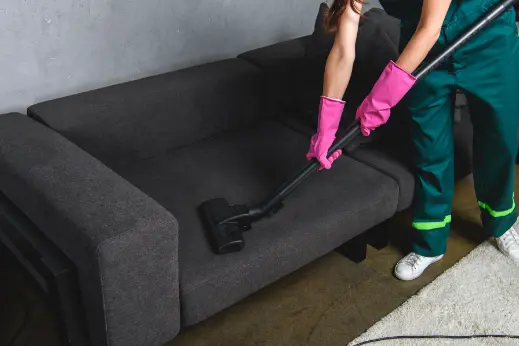
A proper cleaning routine can combine surface vacuuming with embedded dirt removal and extraction. This helps reach areas that ordinary household cleaning may struggle to access.
Professional cleaners may also use specialised equipment designed to loosen and extract dirt from upholstery. DeepCleaning’s service process includes inspection, vacuuming, deep cleaning and hot water extraction as part of its approach. (DeepCleaning professional sofa cleaning service)
2. Dust Mites and Allergens
Another concern is microscopic allergens that cannot be spotted by simply looking at the sofa. Dust mite matter and other allergens can become part of household dust, particularly in frequently used upholstered furniture.
The goal is not to assume that every sofa has a serious hygiene problem. Instead, it is about recognising that upholstery can hold material that normal surface cleaning cannot fully reach.
This is where dust mite removal and allergen removal can become useful considerations. A deeper cleaning process can help remove accumulated particles from the upholstery instead of relying only on surface vacuuming.
For households where sofas receive heavy daily use, periodic professional cleaning can form part of a wider home hygiene routine.
3. Body Oils and Everyday Grime
Have you noticed darker areas on the armrests or the place where people sit most often?
These areas receive repeated contact with skin, clothing and hands. Over time, body oils and everyday grime can make fabric look dull even when the sofa is regularly vacuumed.
This type of buildup may require sofa stain removal and targeted treatment followed by a suitable cleaning method. The correct approach depends on the fabric, its condition and the type of soil present.
That is why fabric should not be treated as if every sofa is made from the same material. Cotton, synthetic blends, microfiber, velvet and other upholstery materials may require different levels of care.
A professional cleaner should inspect the upholstery before selecting products or equipment. This helps reduce the risk of using an unsuitable cleaning solution on delicate fabric.
4. Food Crumbs and Small Spills
A few crumbs may seem harmless, but repeated snacking on the sofa can leave behind tiny particles that settle between cushions and inside seams.
Small liquid spills can be more troublesome. A drink may appear to have been wiped away, but some residue can remain in the fabric. Over time, this can contribute to marks or unpleasant smells.
Regular cleaning helps reduce surface buildup, but deep sofa cleaning can address areas that are difficult to reach with a cloth or household vacuum.
If a spill happens, dealing with it quickly is generally better than allowing it to sit in the fabric. However, aggressive rubbing can sometimes spread the stain or damage the material. Gentle blotting followed by appropriate treatment is usually a safer approach for minor fresh spills.
5. Pet Hair and Dander
If you have pets at home, your sofa may collect hair and dander even when the furniture looks reasonably clean.
Pet hair often becomes trapped around cushion edges, seams and textured fabric. A standard vacuum can remove some loose hair, but embedded particles may require a more thorough approach.
For pet-owning households, regular pet odour removal and upholstery care can help prevent buildup from becoming difficult to manage. Professional cleaning can be particularly useful when ordinary vacuuming is no longer enough to refresh the upholstery.
It is also worth checking underneath cushions and around the back and sides of the sofa. These less visible areas can collect more debris than the main seating surface.
6. Unpleasant Odours That Keep Returning
One of the clearest signs that your sofa may need deeper cleaning is an odour that keeps returning after surface cleaning.
Sprays and fragrances can temporarily mask a smell, but they do not necessarily remove the material causing it. Food residue, body oils, spills and other accumulated debris may continue producing unpleasant smells.
A proper cleaning process focuses on removing the source rather than simply covering it. This is where sofa sanitisation and suitable odour treatment can form part of a more complete upholstery cleaning process.
If an odour continues after cleaning, it may also be worth checking whether there is a deeper moisture or contamination issue. Professional assessment can help identify what may be causing the recurring smell.
Why Regular Cleaning May Not Be Enough
There is nothing wrong with regular vacuuming. In fact, it should remain part of normal sofa care.
The limitation is reach.
A household vacuum is mainly intended for routine surface cleaning. It may not provide the same level of extraction needed for embedded soil. Wiping the upholstery has a similar limitation because a cloth mainly works on the accessible surface.
Modern upholstery cleaning techniques increasingly focus on a multi-step process rather than one cleaning action. Inspection, pre-treatment, deep cleaning, extraction and drying each serve a different purpose.
The objective is not simply to make the sofa look clean for a few days. A thorough process aims to remove the dirt and residue that contribute to stains, dullness and unpleasant odours.
What Does a Professional Cleaning Process Look Like?
A good service should begin by understanding the sofa rather than immediately applying cleaning products.
The first step is usually an initial fabric inspection to identify the material, visible stains and areas requiring extra attention. This is followed by vacuuming to remove loose dirt.
Next, suitable cleaning solutions can be applied to loosen embedded grime. Depending on the sofa material and cleaning requirements, an extraction process can then remove loosened dirt, residue and moisture.
This approach is particularly useful for fabric sofa cleaning, where the material can hold dust, body oils, food residue and other particles below the visible surface.
DeepCleaning describes a process involving initial inspection, vacuuming, deep cleaning, hot water extraction and final inspection. (DeepCleaning sofa cleaning process)
A final inspection is also important because it gives the cleaner an opportunity to check whether visible stains or areas of concern require additional attention.
When Should You Consider a Deeper Sofa Clean?
Consider booking a deeper clean when:
- The sofa has a persistent unpleasant smell.
- Cushions or armrests have become visibly dull.
- Stains remain after normal spot cleaning.
- The sofa is used heavily every day.
- You have pets that regularly use the furniture.
- Food and drinks are frequently consumed on the sofa.
- It has been a long time since the upholstery received professional attention.
- Vacuuming no longer seems to make a noticeable difference.
- The fabric feels dirty even after routine cleaning.
- Dust and debris keep collecting around seams and cushions.
Regular sofa maintenance can also help prevent heavy buildup from becoming harder to remove later.
There is no single cleaning schedule that suits every household. A sofa used every day by several family members will naturally need more attention than one used occasionally in a guest room.
Choosing the Right Cleaning Team in Malaysia
When comparing Sofa Cleaning Services, do not focus only on the cheapest price. Look at what is actually included.
Ask whether the service includes fabric inspection, stain treatment, extraction and a final check. It is also useful to understand whether the cleaning method is suitable for your sofa material.
A professional sofa cleaning team should be able to explain the process clearly rather than treating every sofa in exactly the same way.
For Malaysian homeowners, searching for upholstery cleaning Malaysia can also help narrow down providers offering services suited to local residential needs.
DeepCleaning highlights fabric assessment, safe cleaning products, advanced cleaning techniques, quick drying and final inspection as part of its service approach. (DeepCleaning service information)
You can also review the professional sofa cleaning service by DeepCleaning to understand the available cleaning process before making a decision.
How to Keep Your Sofa Cleaner Between Professional Visits
Professional cleaning works best when combined with simple daily care.
Vacuum the sofa regularly, paying attention to seams and underneath removable cushions. Clean up food crumbs quickly and deal with fresh spills carefully. Avoid placing excessively wet items on the upholstery, and follow the manufacturer’s care instructions whenever they are available.
Rotating or repositioning removable cushions where appropriate can also help reduce uneven wear. Keeping pets groomed and using washable covers on frequently used areas may further reduce the amount of hair and debris reaching the upholstery.
These simple habits do not replace a deeper clean, but they can help keep the sofa looking and feeling better for longer.
Time to Refresh Your Sofa
Your sofa may look clean while still holding fine dust, food particles, body oils, pet dander, stains and odour-causing residue deep within its upholstery. Regular vacuuming remains useful for daily care, but it cannot always reach every layer of a heavily used sofa.
Choosing Sofa Cleaning Services when your furniture needs more than routine maintenance can help address hidden buildup and restore a fresher appearance. A suitable cleaning method, careful fabric inspection and proper extraction can make a noticeable difference.
For Malaysian homes, professional cleaning is worth considering when your sofa has persistent odours, stubborn stains or heavy everyday use. A reliable sofa cleaning team can assess the material and choose an appropriate cleaning approach instead of relying on a one-size-fits-all method.
If your sofa is overdue for professional upholstery cleaning, visit DeepCleaning’s Contact Us page to discuss your cleaning requirements and arrange the next step.
FAQs:
1. Can regular vacuuming remove everything inside a sofa?
No. Vacuuming is useful for loose surface dust and debris, but some dirt, oils, allergens and residue can become embedded deeper in upholstery. Deeper extraction may be needed for more thorough cleaning.
2. How often should a sofa be professionally cleaned in Malaysia?
There is no single schedule for every household. Sofas with heavy daily use, children or pets may need more frequent cleaning, while lightly used furniture may need professional attention less often.
3. Can professional cleaning remove sofa odours?
Professional cleaning can help remove dirt and residue contributing to odours rather than simply masking smells with fragrance. Results depend on the source of the odour, fabric type and condition of the sofa.
4. Is professional cleaning suitable for all sofa fabrics?
Cleaning methods should be selected according to the material and condition of the upholstery. A proper inspection before cleaning helps determine the safest and most suitable approach.
5. What should I check before booking a sofa cleaning service?
Ask about the inspection process, cleaning method, stain treatment, extraction, drying time and whether the products are suitable for your sofa fabric. Clear information helps you choose a service that matches your furniture’s needs.